How to Create a DIY Hot Dog Topping Station
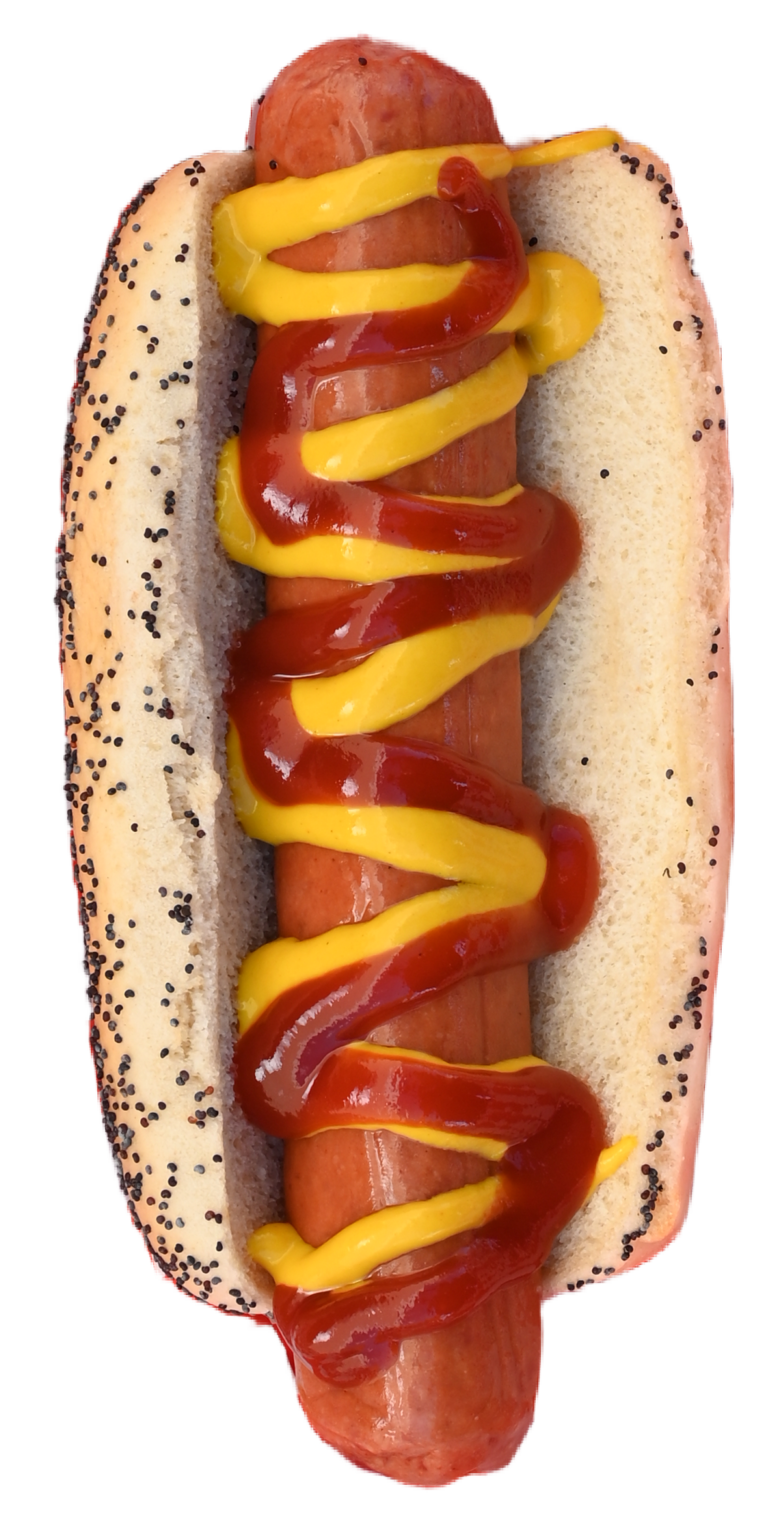


A good hot dog topping station does two jobs at once. It feeds people efficiently, and it turns a basic cookout into something guests talk about on the drive home. The difference is rarely the number of toppings. It is usually the setup. When the condiments are easy to reach, the buns stay warm, and the line keeps moving, people relax and have fun with it.
I have put together versions of this station for backyard birthdays, late-summer block parties, youth sports banquets, and one chaotic graduation party where thirty teenagers arrived at the same moment and acted as if they had not eaten in a week. The lesson from every one of those events is simple: a hot dog bar works best when it is designed like a small service line, not a pile of jars dropped on a folding table.
That may sound more serious than the occasion requires, but a little planning solves nearly every common problem. It keeps cold items cold, prevents bottlenecks, reduces waste, and gives guests enough freedom to make their own combinations without creating a mess. You do not need fancy equipment. You need a clear flow, a sensible topping mix, and a setup that holds up for the length of the party.
Start with the way people actually build a hot dog
Most hosts think first about https://gravatar.com/underconstructionhotdogs the toppings themselves, but the better starting point is the order guests use them. People move through a topping station in a predictable sequence. They pick up a plate, grab a bun, add a hot dog, then look for sauces, then chopped toppings, then extras like chili or cheese. If you arrange the station in that order, the line feels effortless.
That matters more than you might expect. When guests have to backtrack for mustard after already spooning on onions, the table clogs up. Someone reaches across the buns. Another person drips relish into the cheese. The station gets sloppy quickly.
A practical layout usually places the plates and napkins at one end, followed by buns, then the hot dogs in a warm pan or slow cooker, then squeeze condiments, then spooned toppings, then messy finishing items such as chili, sauerkraut, or cheese sauce. If drinks or chips are on a separate table, even better. The less traffic crossing in front of the hot dog station, the smoother it runs.
If you are serving a crowd larger than about twenty-five people, leave more horizontal space than you think you need. A six-foot table can work, but an eight-foot table is much easier if you want guests to move steadily rather than bunching in the middle.
Choose toppings with balance, not ambition
The temptation is to offer every topping anyone has ever put on a hot dog. It sounds generous, but it usually creates clutter and waste. A better station gives guests a mix of classics, texture, heat, and one or two toppings that feel a little special.
The staples earn their place because most people genuinely want them. Yellow mustard, ketchup, sweet relish, diced onion, and shredded cheddar cover a surprising amount of ground. From there, you can add regional or crowd-specific options. In one neighborhood cookout, sauerkraut and spicy brown mustard disappeared first. At a family reunion, chili and slaw went faster than anything else. If children are the majority, keep the bold toppings lighter and make sure the familiar ones are front and center.
A strong topping station usually includes a few categories rather than a random assortment. You want something tangy, something crunchy, something creamy or melty, and something with heat. That combination lets guests customize without overwhelming them.
Here is a sensible topping mix for most gatherings:
- Core condiments: ketchup, yellow mustard, spicy mustard, relish
- Fresh toppings: diced onion, sliced jalapeños, diced tomatoes
- Rich additions: shredded cheese, cheese sauce, chili
- Sharp or tangy options: sauerkraut, pickled onions, banana peppers
- Texture boosters: crispy fried onions, bacon bits, coleslaw
That is more than enough for a memorable station. You do not need all of it. In fact, for a party of fifteen to twenty people, eight to ten toppings total is a sweet spot. It feels abundant without becoming fussy.
Match the toppings to the style of gathering
A topping station for a kids' birthday should not look exactly like one for an evening cookout with adults. Context changes what works.
For a casual family lunch, keep the menu forgiving and familiar. Soft buns, mild condiments, shredded cheese, onions, relish, and perhaps chili. Children tend to build cautiously, and adults often appreciate the classics when they are eating while standing in a yard.
For game day, heavier toppings make sense. This is where chili, queso, crumbled bacon, and jalapeños shine. People expect a little indulgence, and a football crowd is usually happy to eat with both hands and plenty of napkins.
For a summer party where the weather is hot, think about food safety and appetite. Heavy dairy-based sauces can be more trouble than they are worth if the table is in direct sun. Crisp toppings, vinegary slaw, pickled vegetables, and mustard-based options hold up better and feel lighter.
For a mixed crowd, I often create one small sign with two or three suggested combinations rather than naming every topping in isolation. Guests appreciate the nudge. A "classic chili cheese," a "sharp and smoky" with sauerkraut and spicy mustard, or a "crunchy slaw dog" gives people ideas without turning the table into a novelty act.
Build the station with what you already own
You do not need catering pans and restaurant inserts to make this work. A DIY hot dog station can look polished with ordinary kitchen gear if you choose pieces that are easy to clean and easy to restock.
Small bowls are perfect for chopped onions, relish, and jalapeños. Wider bowls or shallow baking dishes work well for cheese and sauerkraut. Squeeze bottles are better than open jars whenever possible, especially for ketchup and mustard. They keep the station cleaner, move the line faster, and reduce the chance that one guest leaves a spoon buried in the wrong container.
For hot items, a slow cooker is your friend. It holds chili safely and steadily. Another slow cooker or a covered roasting pan can keep the hot dogs warm after grilling or simmering. If you are cooking inside and serving outside, transfer hot dogs in batches rather than all at once. Too many sitting in a tray for too long can wrinkle and cool down.
Buns deserve more attention than they usually get. Nothing undermines a hot dog station faster than dry, stale buns left open to the air. Keep them bagged until serving time, then place them in a basket lined with a clean towel or in a covered container. If you have the time, a quick steam or warm-up makes a dramatic difference. Guests may not mention it, but they notice.
Ice is useful beyond drinks. Nesting smaller topping bowls inside larger bowls filled with ice is a simple way to keep perishables cold when the party stretches on. It is especially helpful for coleslaw, diced tomatoes, and shredded cheese in warm weather.
Think in terms of flow, not decoration
A topping station should look inviting, but function comes first. The nicest signs in the world will not help if guests have nowhere to set their plate while opening a bun.
Leave small gaps between containers so spoons do not tangle. Put the most popular items where two people can reach them at once. Keep napkins at both ends of the table if you have space. Place a small trash can close by. That last detail does more for cleanliness than almost anything else.
Height variation can make the table more attractive, but do it carefully. A crate or sturdy inverted pan under a tablecloth can raise the back row slightly so guests can see what is available. Just avoid anything wobbly. Once a bowl of onions starts sliding, the party changes tone quickly.
Labels are worth using, especially if you offer toppings that might trigger allergies or strong preferences. Clear labels for items like cheese sauce, bacon, or spicy peppers prevent constant questions and help people move through the line with confidence. Handwritten tent cards are perfectly fine. This is one place where simple and readable beats decorative.
Keep food safe without hovering over the table
Outdoor food service has a short grace period before quality starts to slip. A hot dog station is forgiving compared with seafood or mayo-heavy salads, but it still benefits from some discipline.
Hot foods should stay hot, and cold foods should stay cold. If you expect the station to be open for more than an hour, plan for replenishment instead of putting everything out at once. Smaller bowls that you refill from the refrigerator are much smarter than one giant bowl of diced onions baking in the sun. The same is true for cheese, slaw, and tomatoes.
Chili and cheese sauce need particular attention. Both are delicious, both attract people, and both become unappetizing when they sit too long at the wrong temperature. A small slow cooker set to warm solves the problem neatly. Stir occasionally, and keep the serving spoon out of the sauce when possible.
Serving utensils also matter. Give each topping its own spoon or tongs. Cross-use happens fast in a busy line, especially when guests are balancing a plate in one hand. If you have ever found sauerkraut floating in the relish, you know exactly why this matters.
Here is a practical hosting rhythm that works well during service:
- Set out only two-thirds of each cold topping to start
- Refill from chilled backups every thirty to forty minutes as needed
- Keep chili and cheese sauce in heated containers, not open bowls
- Replace messy spoons and wipe spills before they spread
- Check buns halfway through so they stay covered and fresh
That short routine does not require hovering over your guests. It just keeps the station from slipping into disarray.
Calculate quantities with a little margin
People tend to eat one to two hot dogs at a typical backyard event, though teenagers, athletes, and late-evening crowds can push the average higher. If hot dogs are the main meal, planning for one and a half to two per person is generally safe. For buns, buy at least the same number and preferably a few extra. Torn buns and accidental doubles happen more often than hosts think.
Toppings are trickier because usage varies wildly. Mustard goes farther than chili. Onions seem plentiful until a few people pile them high. Rather than chasing exact ounces, think in broad but realistic terms. For twenty guests, one standard bottle each of ketchup and mustard is often enough if there are other options on the table. A large bowl of diced onion, a similar bowl of relish, a pound or so of shredded cheese, and a pot of chili sized for ten to fifteen generous servings usually creates a comfortable buffer.
Waste comes mostly from overexposure, not underbuying. A backup container in the refrigerator is more useful than one oversized serving bowl left out from the start.
Make it easier for guests to build combinations that work
Most people love choice until they are staring at twelve bowls and holding an open bun. A little guidance goes a long way. You do not need a theme, but it helps to think through combinations that naturally fit together.
Chili, shredded cheddar, and diced onion is obvious for a reason. It works. Sauerkraut with spicy mustard is sharp, balanced, and less messy than many loaded options. Coleslaw with bacon gives a nice contrast of cool and smoky. Jalapeños with cheese sauce can be great, but if your jalapeños are particularly hot, a small note helps guests avoid regret.
One thing experience has taught me is that crunchy toppings should be added last. Fried onions, bacon bits, and slaw lose their appeal under hot chili or wet relish. Guests do not always think in that order, but your layout can encourage it. Put crisp finishing toppings at the far end of the station so they are naturally added last.
Solve the usual problems before they happen
Every hot dog station has a few predictable weak spots. Buns dry out. Cheese clumps. Onions slide everywhere. Someone uses the chili ladle for the slaw. A little foresight spares you all of that.
If wind is an issue, avoid lightweight paper signs and flimsy napkin stacks. Put utensils in low containers instead of standing upright in cups. Covered trays become much more useful outdoors than they seem indoors.
If kids are serving themselves, keep the hottest peppers and the messiest sauces at the far end or on a separate adult-access section. That is not about limiting choice. It is about preventing the six-year-old from discovering cheese sauce physics over white sneakers.
If space is tight, shrink the station instead of cramming it. Fewer toppings arranged well beat too many toppings arranged badly. People remember whether the station was easy to use far more than they remember whether you offered three kinds of pickles.
Add personality without turning it into a gimmick
A DIY setup should still feel intentional. A checked cloth, a wooden crate for height, a few small signs, and bowls that roughly coordinate are enough to make the table feel cared for. You do not need novelty dispensers or themed décor unless the event calls for it.
If you want a stronger identity, let the toppings tell the story. A regional angle works well. A chili-focused station, a slaw-and-pickle setup, or a sharp mustard-forward spread gives the table character without making it harder to use. Guests enjoy a little point of view, especially when it comes from what actually tastes good rather than what looks cute in photos.
I have seen hosts go overboard trying to impress with obscure toppings that almost nobody touches. Blue cheese crumbles, pineapple salsa, truffle aioli, four types of artisanal pickles. There is nothing wrong with any of those in the right context, but a hot dog station succeeds on appetite and ease, not culinary theater. Give people good ingredients, a clean setup, and enough room to build what they want. That is the sweet spot.
The details guests remember
People rarely compliment the tray arrangement directly. What they say instead is, "That was such an easy setup," or "I liked that I could make mine exactly how I wanted." Those comments come from details working quietly in the background.
Warm buns matter. Sharp knives are unnecessary and should stay off the table. Separate spoons for every bowl matter. Extra napkins matter more than custom signage. A nearby place to set a drink matters. The host who checks the station twice during the party, wipes a spill, and refills the onions before they run out always looks more polished than the host who bought fifteen toppings and hoped for the best.
A hot dog is casual food, but a well-built topping station gives it structure and a little occasion. It lets children participate, gives adults options, and keeps the cook from having to dress every plate by hand. That is why it works so well for gatherings of all sizes.
If you approach it like a service line rather than a decoration project, the whole thing becomes simpler. Set the order logically. Choose toppings with restraint. Keep hot items warm, cold items cold, and backups close by. Once those basics are covered, the station almost runs itself, and your guests get the one thing every successful party needs, food that is easy to enjoy without waiting around for it.
Under Construction Hot Dogs
1225 W U.S. Hwy 50, Pueblo, CO 81008
FAQ About hot dog
What are different types of hotdogs?
Under Construction Hot Dogs offers a classic all-beef hot dog, a quarter-pound Jumbo Dog, a Chili Dog, and a Chicago Dog, along with brats and a Spicy Link.
What does a chili dog have on it?
Our Chili Dog pairs a Vienna all-beef hot dog with chili, shredded cheddar cheese, and finely diced onions.
What is in a traditional Chicago dog?
Our Chicago Dog comes on a steamed poppy seed bun with yellow mustard, bright green relish, onions, tomato wedges, a pickle spear, sport peppers, and celery salt.